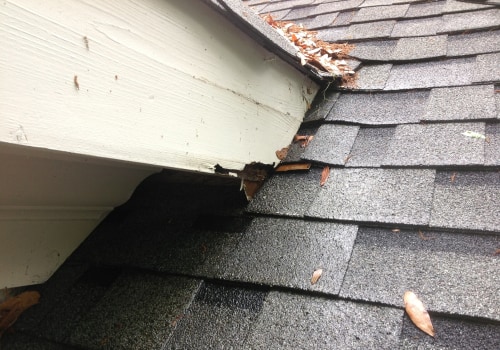
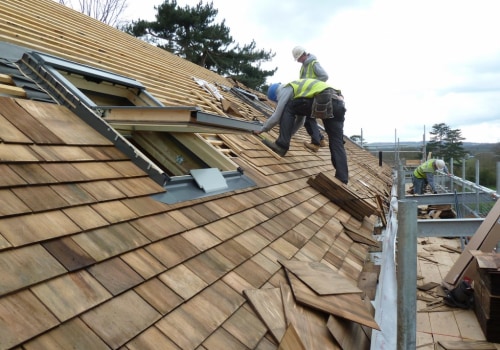
When roofing and siding are replaced by different crews, the junction between them deserves its own planning conversation. Ask who will handle the flashing, how the work will be sequenced, and who will check the connection before the finished surfaces conceal it.
Understand the handoff
At a sloping roof beside a taller wall, flashing helps manage water at the junction. The Building America Solution Center explains that kick-out flashing at the lower end directs runoff away from the wall and toward a gutter. It also emphasizes integrating flashing with the roof and wall drainage layers.
This is more than choosing a metal color. The guide specifically calls for coordination between roofers, house-wrap installers, and siding installers, with responsibility included in the appropriate trade’s contract. Details should follow the applicable product instructions and local requirements.
Put the junction on the work plan
For background terminology, see our introduction to roof flashing and drip edge. For the actual project, ask the contractor to show the proposed roof-wall detail rather than relying on a generic description.
- Who removes existing siding or trim needed to access the junction?
- Who evaluates exposed materials before they are covered again?
- Who installs the flashing and integrates it with the wall’s drainage layer?
- Who checks the completed detail before siding closes it in?
- Who handles finish repairs and photographs for the homeowner’s record?
Allow for a finding that changes the scope
Ask how unexpected deterioration will be documented and discussed. Agree on a contact person who can coordinate both trades if the original sequence needs to change. A shared plan helps avoid the assumption that the other crew has already dealt with the concealed connection.
Request a useful completion record
Ask for photographs taken at the agreed inspection stage and a brief note identifying the area and work completed. Keep them with the roofing and siding documents. A final exterior photograph is useful for appearance, but it cannot show every covered layer. The most valuable time to resolve responsibility is before the junction is hidden behind the finished siding.